The Mossel
Bay Municipality concluded their in-depth waste characterisation study this
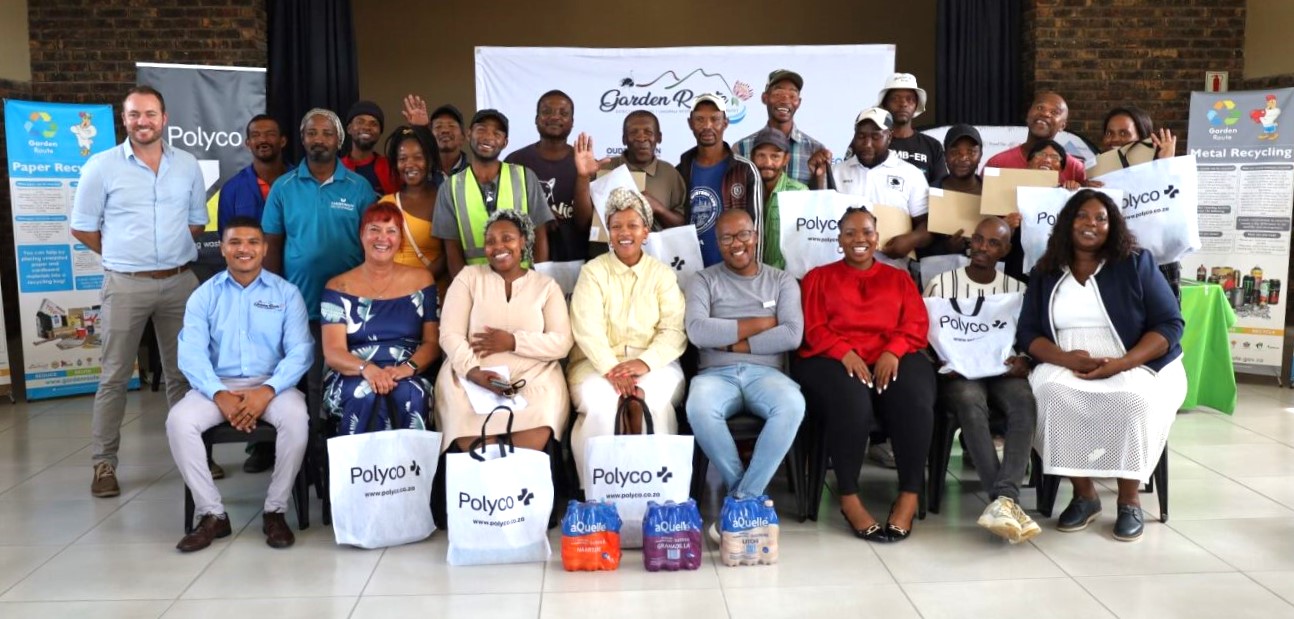
month. The results of the study were shared at a recognition and certificate
handover ceremony hosted in KwaNonqaba on Global Recycling Day. The previous
study of this nature was conducted in 2016.
During his
presentation, John Gie District Waste Management Officer at Garden
Route District Municipality, shared interesting facts about how the waste
landscape in Mossel Bay has changed. During this representative study, waste
from all areas in Mossel Bay were collected randomly. In total 868 bags were
inspected by a special team of 20 workers who were specifically trained to
participate in the study. The total mass
of the waste sorted through is 3262,42 kg.
Interesting from the
findings are, that food waste mostly ends up in landfill sites at 33% of the
total mass inspected. Glass, which should ideally be recycled, came in second
at 9,6%. Among the other rather high
percentages are soft plastic (8,46%), hard plastic (7,43%) and nappies (7,33%).
Building material was at the lowest percentage being 0,01%.
Gie indicated the high
percentage of food waste shows that there are opportunities to explore the
possibility of stimulating an interest and capacity for home composting among
communities.
Gie said that all 7
municipalities in the Garden Route district will conduct their own waste
characterisation studies and commended Mossel Bay Municipality for being the
first to complete theirs. The study took 4 weeks.
The study is also used to
determine whether residents are using the three-bag system correctly, and if
not, what type of waste education is needed in which area. The municipality
uses the three-bag system, which entails the use of black bags for
non-recyclable household waste, green bags for garden waste and blue bags for
all recyclables.
Charlotte Lamprecht,
Managing Director of Henque Waste, was also present at the handover and
sponsored gifts to the team who handled the sorting of waste during the study.
She commended them for their commitment and encouraged them to use their newly
acquired training to explore other opportunities in waste management.